
Understanding Comprehensive vs Collision Coverage in Florida What You Need to Know
- Florida Insurance Nerds
- Aug 5, 2025
- 4 min read
If you're in the market for car insurance or revisiting your existing policy, you may have come across the terms “comprehensive” and “collision.” These two types of coverage are vital for protecting your vehicle, but what do they really entail? Do you need both, just one, or perhaps neither? In Florida—a state often affected by hurricanes, floods, and frequent vehicle accidents—understanding these coverages can significantly affect your insurance choices. Let’s break it down clearly and practically.
🚗 The Basics: What Is “Full Coverage”?
To start off:
“Full coverage” is not a specific type of policy; it is a common way to refer to a policy that includes:
Liability insurance
Comprehensive coverage
Collision coverage
Knowing these terms will help you make an informed decision about your car insurance.
🔍 What Is Collision Coverage?
Collision coverage helps pay for the repair or replacement of your vehicle if it's damaged in a crash, regardless of fault. Whether you hit another car, a tree, or are involved in a hit-and-run, collision coverage provides essential protection.
✅ Collision Covers:
Here are examples of scenarios that collision coverage addresses:
You collide with another vehicle.
Another vehicle strikes yours (even if the driver leaves the scene).
You crash into a pole, tree, fence, or building.
Your car rolls over or flips.
A hit-and-run incident.
In busy urban areas or during heavy traffic congestion, these situations can happen more frequently than you might think. Having collision coverage means you won't have to shoulder these costly repairs alone.
❌ Collision Doesn’t Cover:
Importantly, collision coverage has its limitations. It does NOT cover:
Damage due to floods, fire, or storms.
Theft or vandalism.
Hitting an animal.
Mechanical breakdowns.
Being clear on what is excluded helps prevent unpleasant surprises when making a claim.
🌪️ What Is Comprehensive Coverage?
Comprehensive coverage steps in to cover damages from non-collision events, which could encompass nearly anything not related to an accident.
✅ Comprehensive Covers:
Here are some examples of situations where comprehensive coverage is critical:
Storm or hurricane damage, which can be a serious threat in Florida.
Flooding.
Damage from falling trees or debris.
Fire or explosions.
Theft or vandalism.
Hitting animals like deer or alligators.
Broken glass, such as a cracked windshield.
In Florida, where extreme weather and wildlife encounters are common, comprehensive coverage can be your safety net.
❌ Comprehensive Doesn’t Cover:
It's also important to note that comprehensive coverage doesn't cover:
Damage from car accidents.
Damage to another person's vehicle.
Medical expenses from accidents.
Regular wear and tear.
Understanding these exclusions will help you properly customize your coverage according to your needs.
🏍️ Do You Need Both Coverages?
Having explored the differences, you might be asking yourself whether you need both collision and comprehensive coverage. The answer hinges on factors unique to you.
Evaluate Your Driving Habits
If your daily drives bring you through densely populated areas or highways, collision coverage may be particularly advantageous. Conversely, if you live in regions that often experience storms or have wildlife on the roads, comprehensive coverage could be indispensable.
Consider Your Vehicle's Value
Think about your vehicle's age and market value. For instance, if you own a car worth $5,000 or less, you might consider dropping one or both coverages. If your car is new or valued above $20,000, having both types of coverage could be a prudent choice.
Financial Factors
Your financial circumstances also play a significant role. If you could easily pay out of pocket for vehicle repairs or replacement, you might opt for lower coverage. However, if a sizeable repair bill would adversely affect your finances, investing in comprehensive and collision coverage can provide peace of mind.
🌟 Key Takeaways
Understanding the differences between comprehensive and collision coverage in Florida can greatly inform your insurance decisions.
Collision Coverage: Protects you in the event of a car accident.
Comprehensive Coverage: Safeguards against non-collision incidents, especially pertinent in a state like Florida.
The Importance of Personalization
Every driver’s insurance needs are different. Personalizing your policy based on your driving habits, the value of your vehicle, and your financial situation is crucial for ensuring comprehensive protection.
📊 Assessing Your Needs
Before you settle on any insurance policy, take some time to think about these factors:
Geographic Location: Do you live in an area prone to floods or high accident rates?
Vehicle Make and Model: What is the current market value of your vehicle?
Personal Driving Patterns: Do you frequently park in safe zones, or do you navigate busy highways often?
Financial Considerations: How manageable would a significant financial loss be for you?
Investing time in analyzing these areas will empower you to make well-informed decisions regarding your insurance coverages.
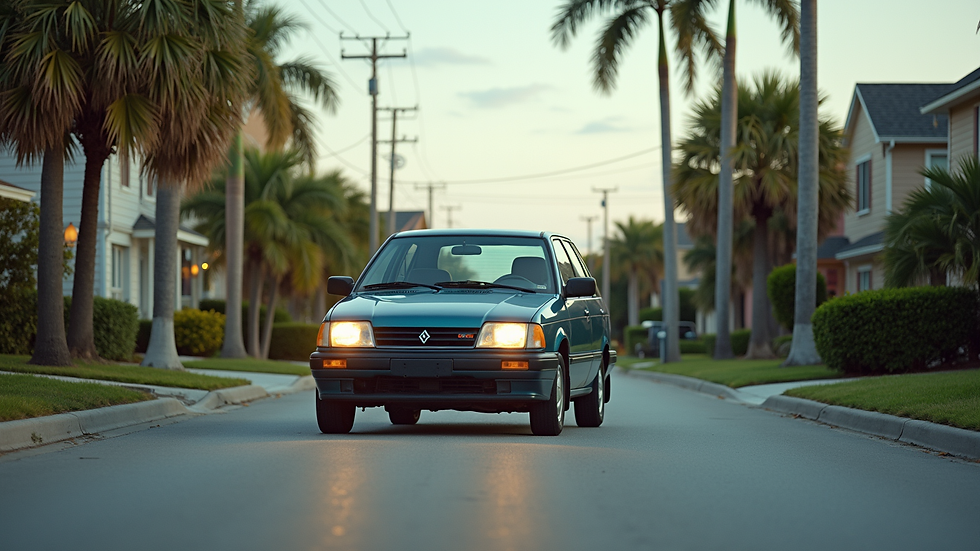
🖼️ Visualizing the Importance

Staying Informed
Grasping the meanings of "comprehensive" and "collision" is about more than understanding terminology; it's essential for protecting your investment. Being well-informed can lead to savings and peace of mind in the face of accidents or natural disasters.
Final Thoughts
Navigating the car insurance landscape can feel overwhelming, especially in Florida where unpredictable events can result in substantial damage. Familiarizing yourself with the distinctions between comprehensive and collision coverage can equip you to choose a policy tailored to your unique needs.
Both coverages serve distinct roles in vehicle protection. By assessing your personal situation and understanding these terms, you can develop an insurance plan that effectively shields you on the road.
It's wise to periodically review your coverage with your insurance agent, making adjustments as required to stay ahead in today's unpredictable environment.


Comments